Press release
OFFICIAL WORLD RECORD: The LARGEST PANORAMIC IMAGE Ever Created (2.05 Terapixels)
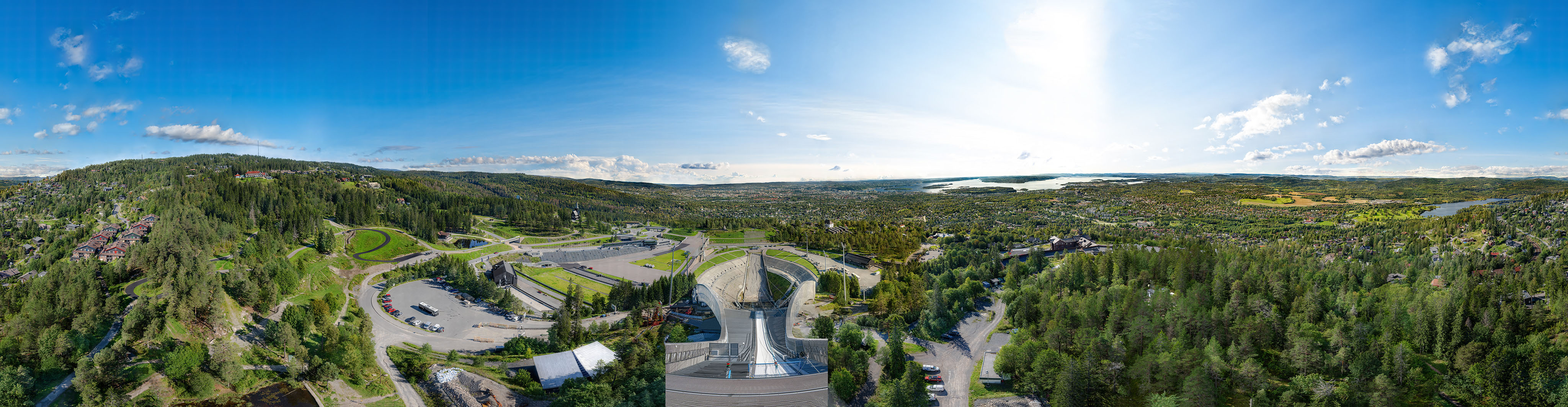
Oslo, Norway – February 24, 2026 – Oslo has officially made history. What began as an ambitious photographic project is now an officially verified world record. This is the largest unified, high-resolution image in existence. The image was captured from the top of the iconic Holmenkollen ski jump tower.Measuring a staggering 2.05 terapixels (2,297,216 × 891,702 pixels), this unprecedented panorama offers a scale of visual detail never before seen in a single continuous image. For context, you would need more than one million full HD displays to show the image at once.
Built from 366,843 carefully chosen photos (12.3 TB RAW) collected over four days, the project seamlessly blends detailed field photography with extreme computational power. Each frame was shot using up to 20 exposures, aligned at sub-pixel precision, processed by custom-built software, and meticulously stitched together. The result is an unbroken, 360° glimpse of Oslo rendered at a record-shattering scale.
ABOUT THE PROJECT
TIMELINE: One year of research, prototyping, and building the camera rig. Four days of capture, one month of image preparation for RAW developement. Two weeks of RAW development, two weeks of intensive processing, two weeks of final rendering, and approximately two months of post-processing. Several steps had to be repeated until successful result was achieved.
SCOPE: 500,000+ captures, 366,843 used in the final panorama.
WORKFLOW: Median stacking, sub-pixel aligning, optical-flow correction and multi-threaded GPU rendering.
QUOTE
“It is one thing to hold a world record, but it is another to actually experience what a 2-terapixel image feels like. The incredible level of magnification is mind-bending.” says Marek Rzewuski, the creator behind the panorama.
EXPERIENCE IT
Explore the full 360° panorama here: https://holmenkollen360.com
ACKNOWLEDGMENTS
Special thanks to Oslo Kommune Bymiljøetaten for granting access to the Holmenkollen Ski Tower to carry out this historic project.
MEDIA CONTENT:
https://holmenkollen360.com/media/press-release/
MEDIA CONTACT
Marek Rzewuski
Email: press@holmenkollen360.com
holmenkollen360.com
The image
About the team
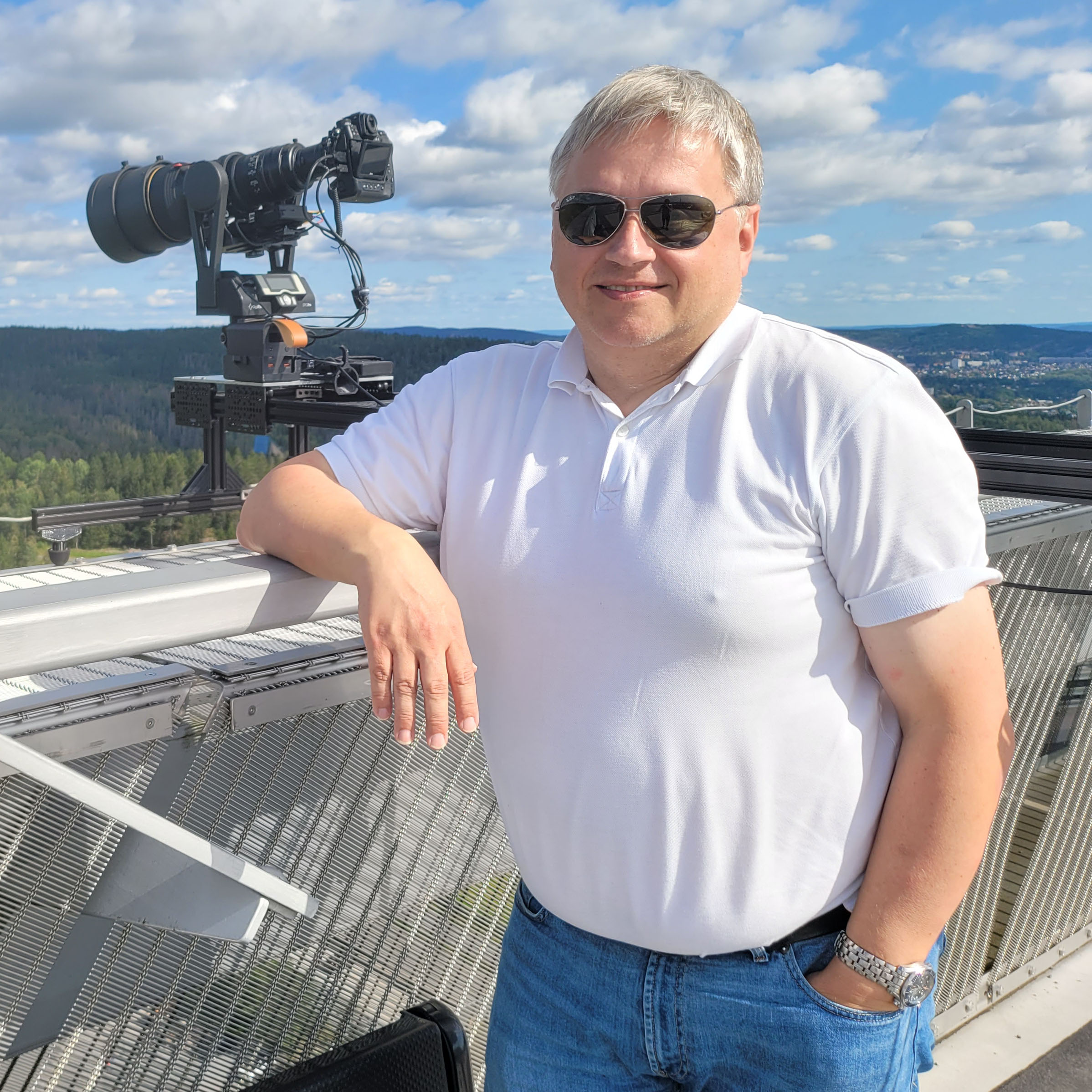
Marek Rzewuski
Skilled programmer with passion for computer graphics and photography. Running his own business, creating web-pages with focus on speed, security and clean design. Common tasks: coding custom solutions, hosting and operations, performance optimization, photography, video work, and customer support. Some experience in PCB design and programming using LoRA/WIFI/BLE.
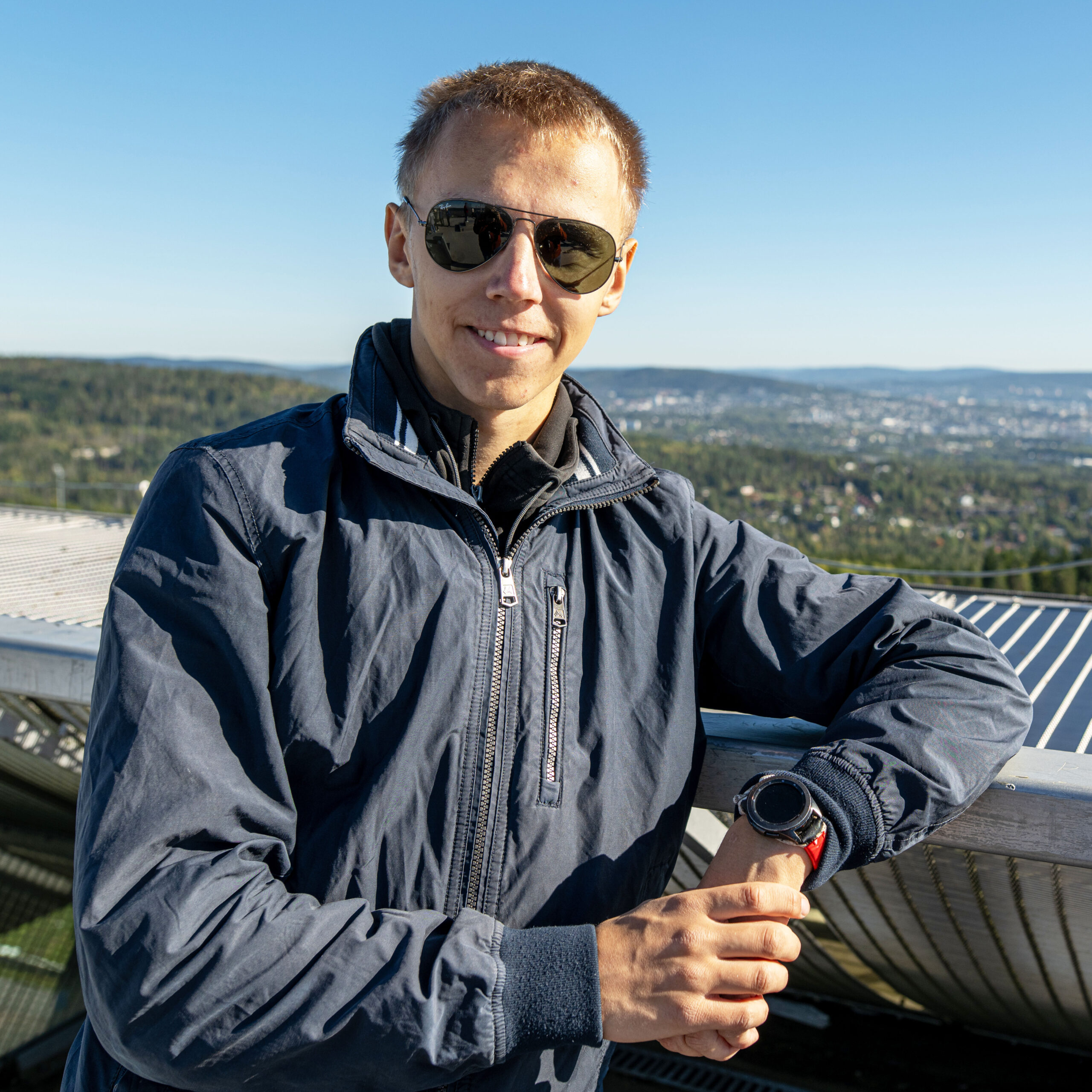
August Rzewuski
Aircraft technician apprentice. Passionate about drones, planes, computers, photography and he spends all his spare time as a horseracing jockey, helping to train horses. Curious, solution-oriented and always ready to help. He is the kind of colleague you can openly discuss ideas with and together find smarter solutions.
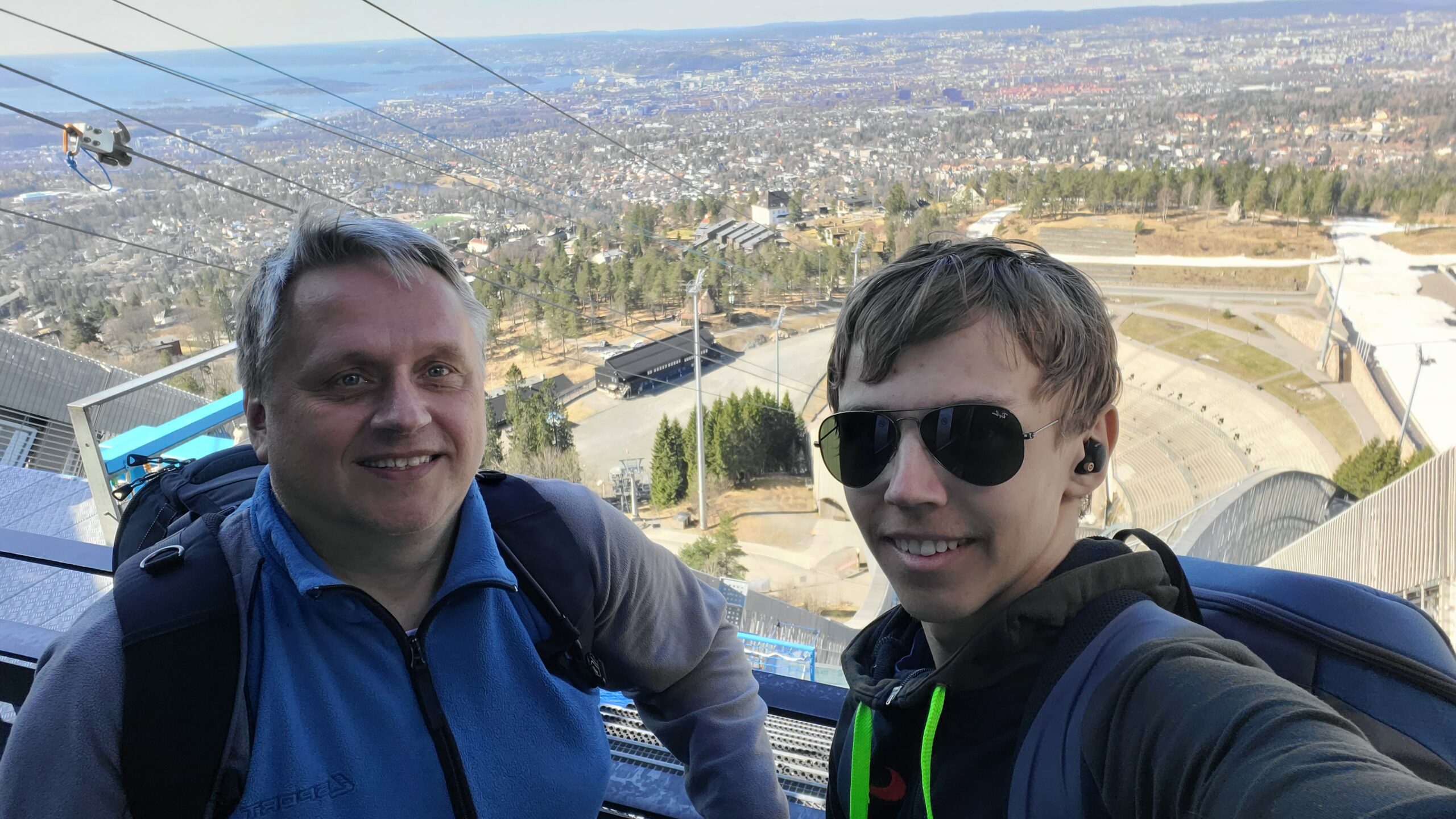
Holmenkollen360.com crew.
Graphics that emphasize the size
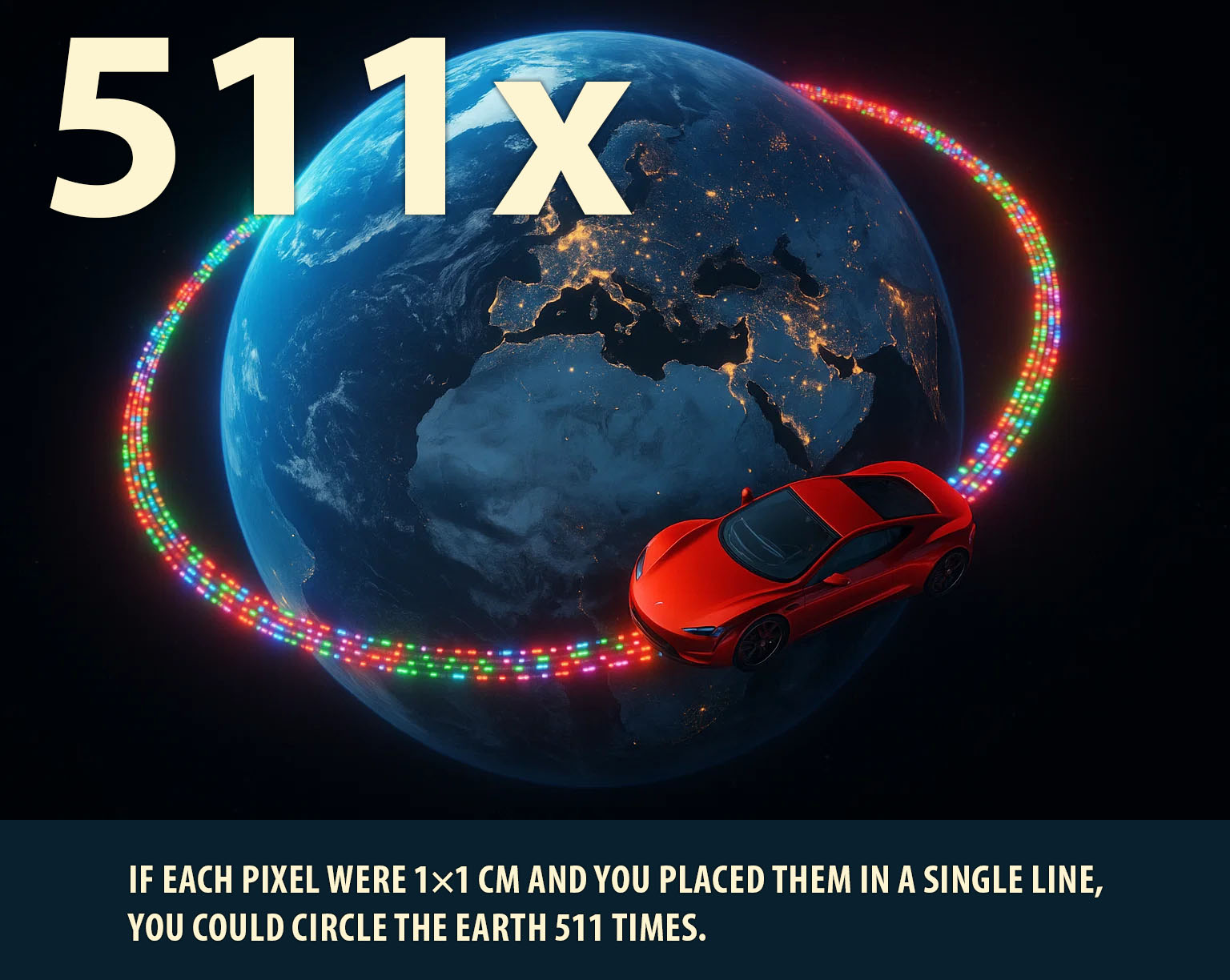
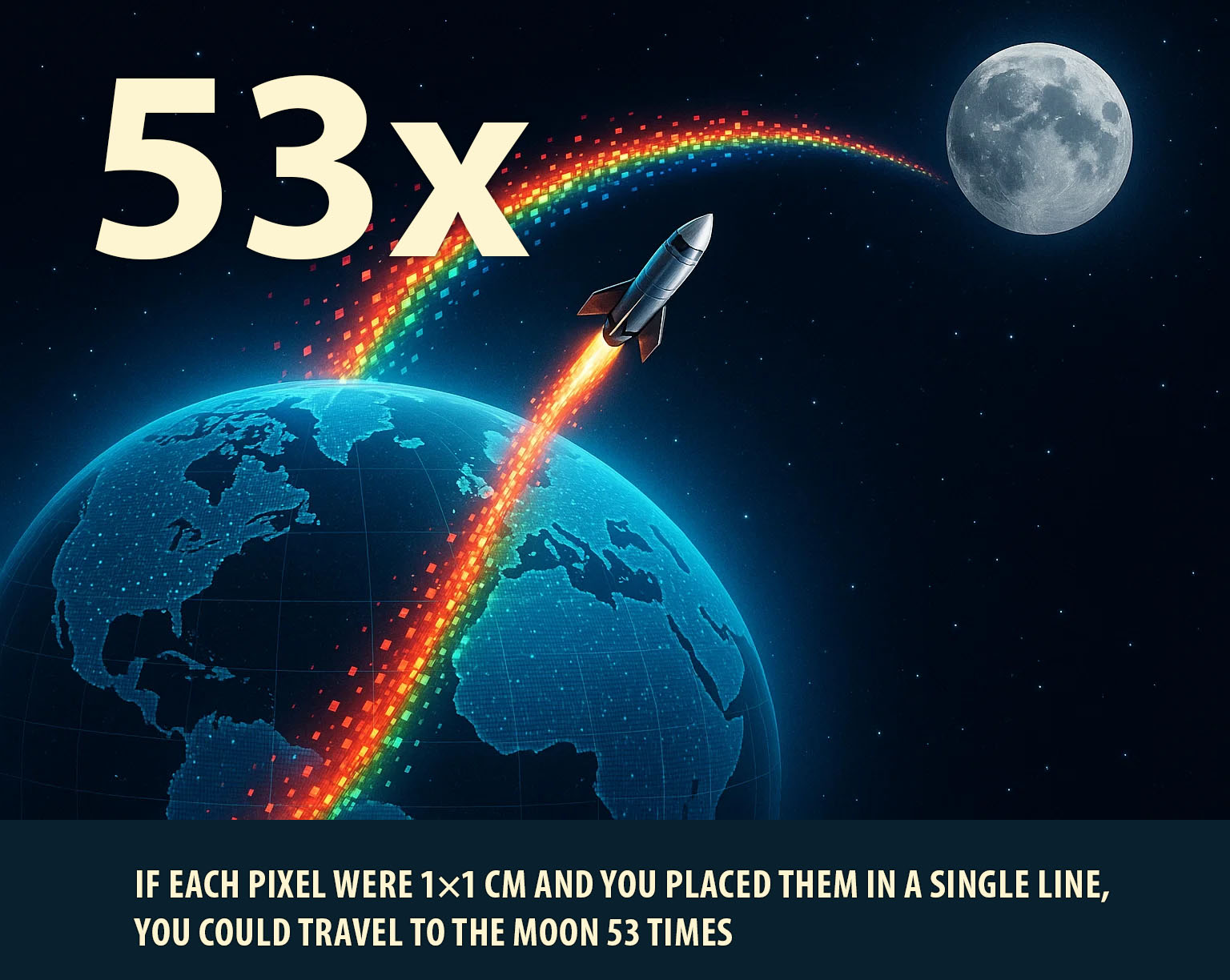
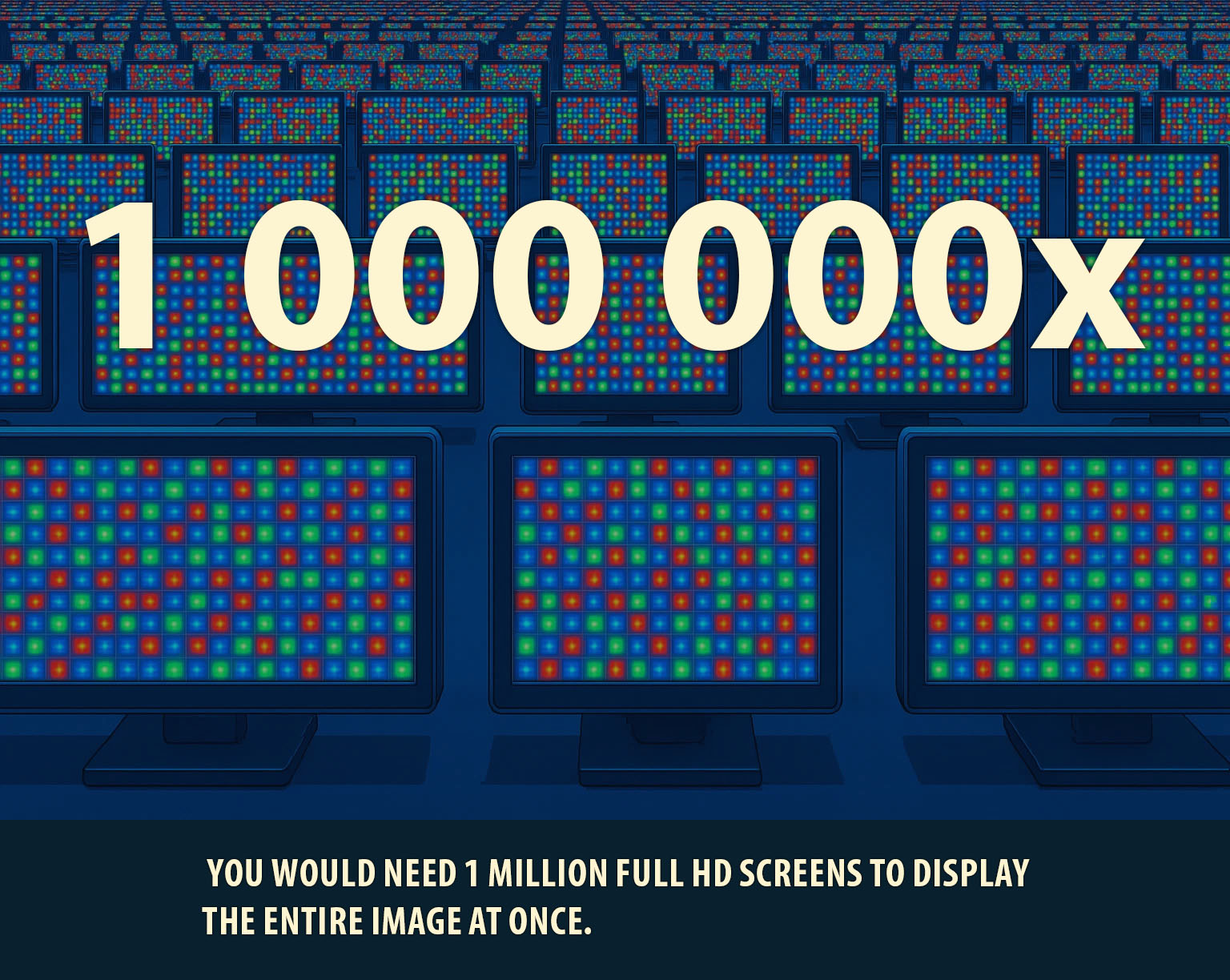

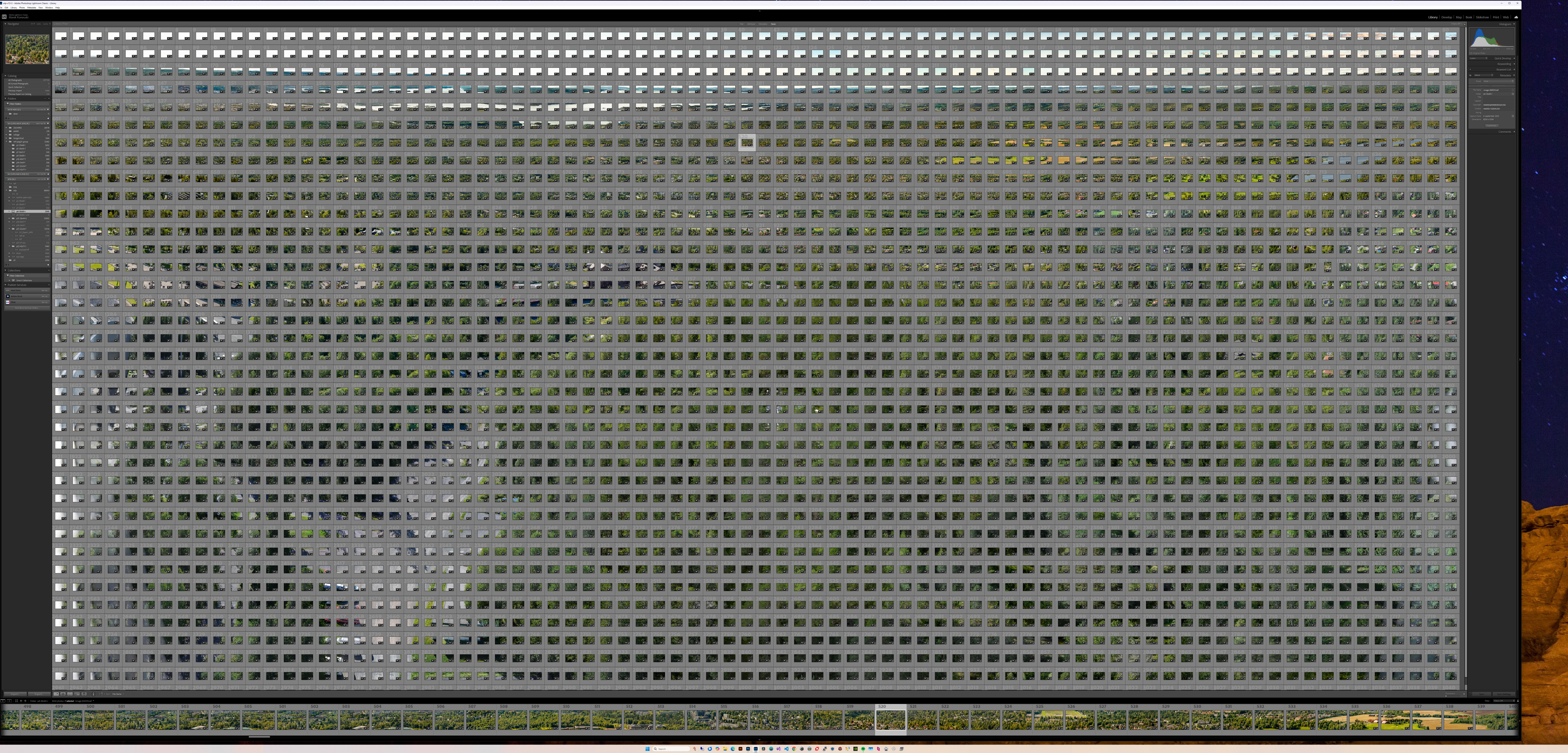
9000 x 4320 desktop
This panorama was edited on 55″ 8K display, but even this was to small and I had to extend the desktop to 9000 x 4320. Note that one and each of the tiny thumbnails represents 180MP image. This part is one of 4 parts which made the whole panorama.
About the technology
Utilizing a technique similar to pixel shift, each frame is composed of up to 20 individual captures and upscaled. This multi-exposure approach is designed to maximize resolution, eliminate noise, and correct for atmospheric distortion.
Please visit this URL for insight on tehcnical description: https://holmenkollen360.com/technical/
Short videos demonstrating the technology
- Unstabilised: Please note that the movement is dampened by the VR system. The VR system resets itself between shots, which is why the image moves so much.
- Registered: Pictures are aligned on top of each other. Please note the wobbling caused by atmospheric disturbance.
- Optical flow: The algorithm adjusts the pixels toward the average of all images.
- Stacked: The images are median-stacked, and the extra resolution is restored.
- Sharpened: Sharpening has been applied, and the image is ready.
Sailboats
Urban intersection
One exposure vs sub-pixel aligment and processing.
This section presents before-and-after comparisons. The “before” images show a single exposure exactly as captured by the camera. Due to atmospheric disturbance, the image appears wobbly and distorted — which is clearly visible in the animation. The “after” images show the result after the full workflow has been applied, revealing the final detail, clarity, improved image quality, and higher resolution of the finished panorama.
Sailboats
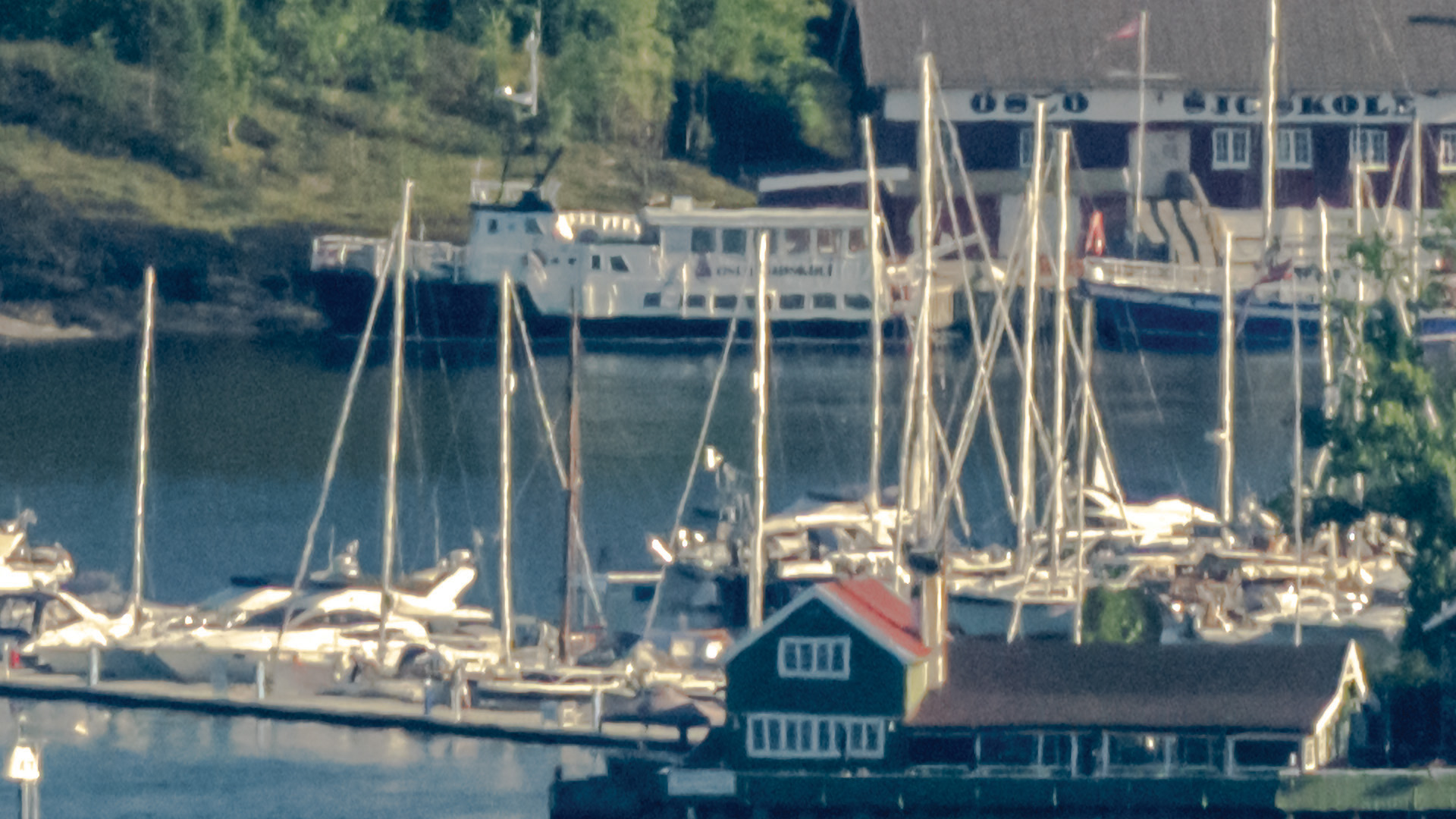
One exposure
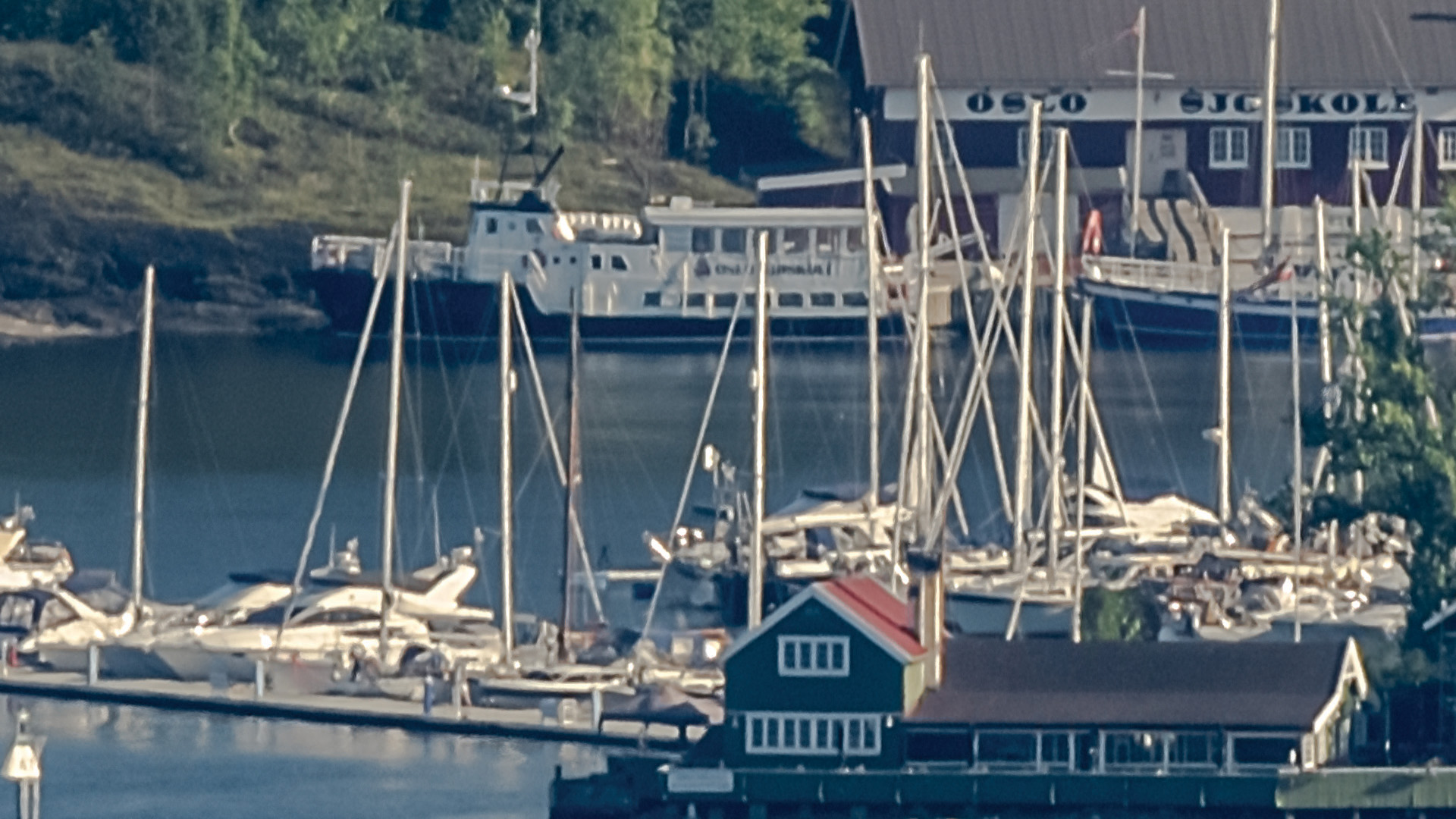
20 exposures, after processing
1 cm details at 8 km — why this shouldn’t be possible (but looks like it is)
Please bear in mind that the boats are ~8 km away. The wires on the sailboats are ≈1 cm thick. Seeing 1 cm details at 8 km should impress you, because it’s impossible —so what’s going on?
The left image is a single exposure. The right image is the final result after processing, upscaling, and sharpening. With an 800 mm f/11 lens on a 45 MP full-frame camera at 8 km, the theoretical diffraction-limited resolution is only about 7–10 cm.
Stacking and upscaling seem to reveal 1 cm “wires,” but that’s an optical illusion. The camera isn’t resolving the wire’s true thickness; it’s detecting tiny contrast changes. Even far below the resolution limit, a thin wire can block or scatter a little light and register as a one-pixel-wide dark or bright line. Sub-pixel alignment and upscaling enhance these edges, making the wire appear visible even though its width isn’t actually resolved. A 1 cm object might cover ~25% of a pixel, yet repeated frames, careful alignment, and sharpening can pull out that sub-pixel contrast—this image is a good example.
Why 1 cm “appears” visible at 8 km (short explanation):
- Diffraction limit (~7–10 cm at f/11, 800 mm): Sets the smallest resolvable detail, larger than 1 cm.
- Sub-pixel edge detection: Features smaller than a pixel still shift pixel intensities; edges are detectable even when widths aren’t resolved.
- Stacking (higher SNR) + super-resolution: Multiple frames let you align at sub-pixel precision, average out noise, and reconstruct sharper edges.
- Sharpening/deconvolution: Boosts contrast at those edges, making thin lines look distinct without truly measuring their thickness.
- Result: You’re seeing enhanced edge contrast from a < resolution-limit object—not a faithful 1 cm measurement at 8 km.
Urban intersection
One exposure
20 exposures, after processing
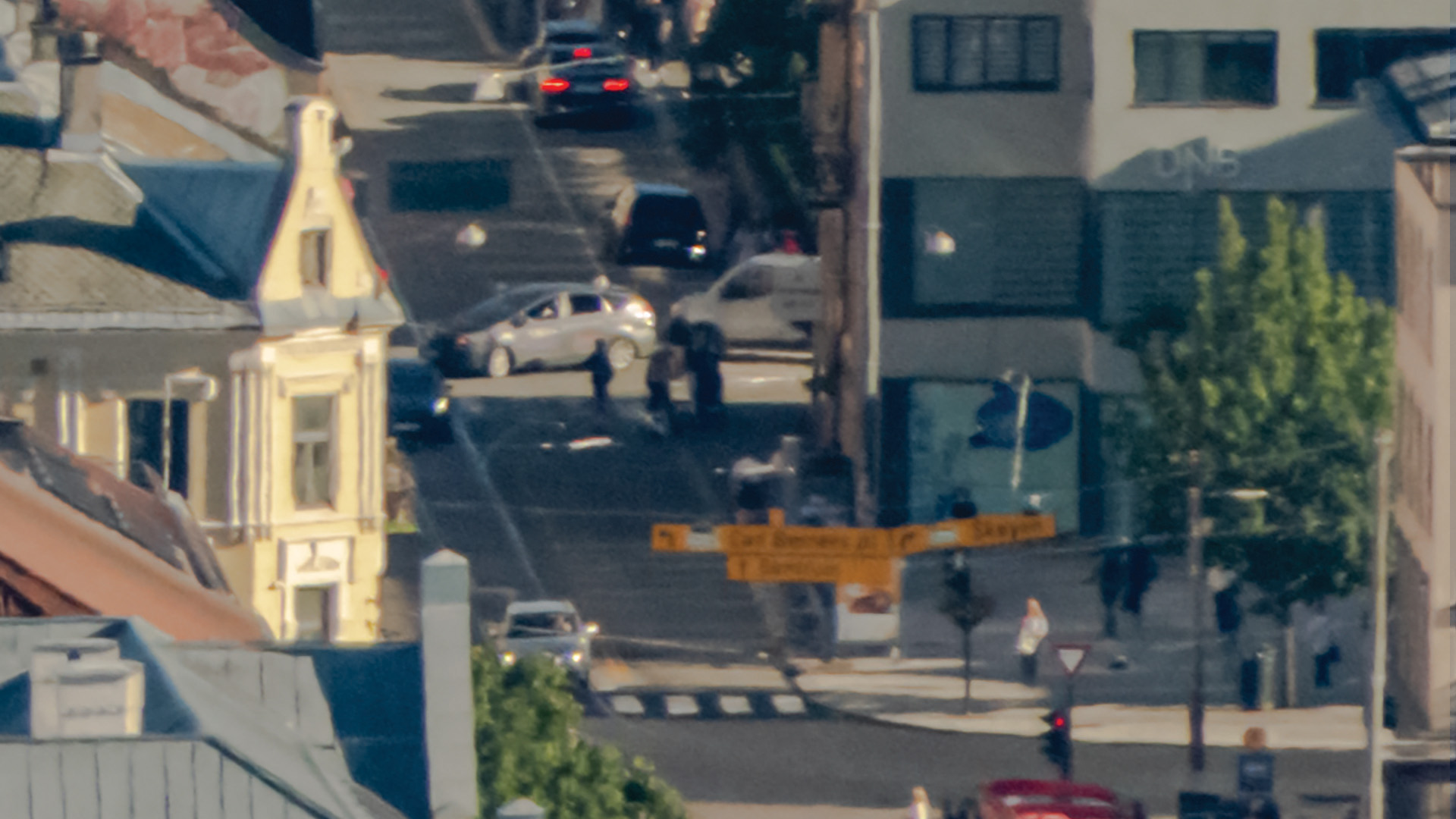
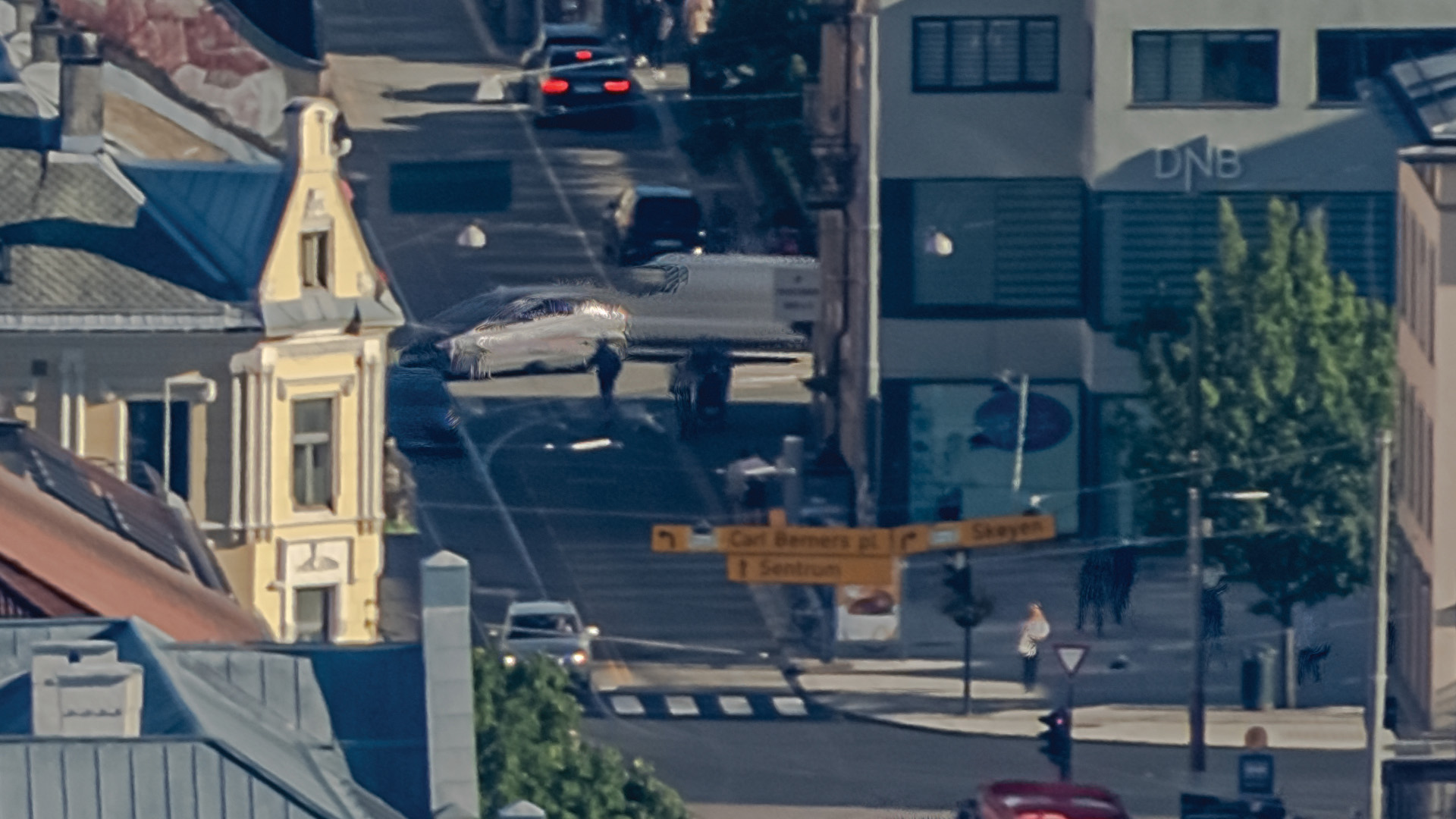
Object within theoretical resolving limits.
The image on left is one single exposure. The image on right is the final image after processing,
upscaling and sharpening. Distance to the signs is about 5 km. Letters in the signs are big enough
for camera to resolve and we see improved image quality. We see generally better quality everywhere in the image, as expected.